



MCPi specializes in aerospace CNC precision machining. Beyond producing accurate parts, we focus on dimensional accuracy, process stability, and long-term reliability. For key rotating parts such as spindles and bearing surfaces, CNC precision grinding can be combined after CNC milling to achieve micron-level roundness and extremely low surface roughness, effectively reducing the risk of micro-cracks, and enhancing fatigue life and operational reliability.
In addition, MCPi follows aerospace quality management requirements, establishing a complete and a 100% traceable production record system from raw materials, machining processes, heat treatment, surface treatment to final inspection, ensuring that products meet the strict standards of high precision, high quality, and high reliability in the aerospace industry.
Machining Capabilities
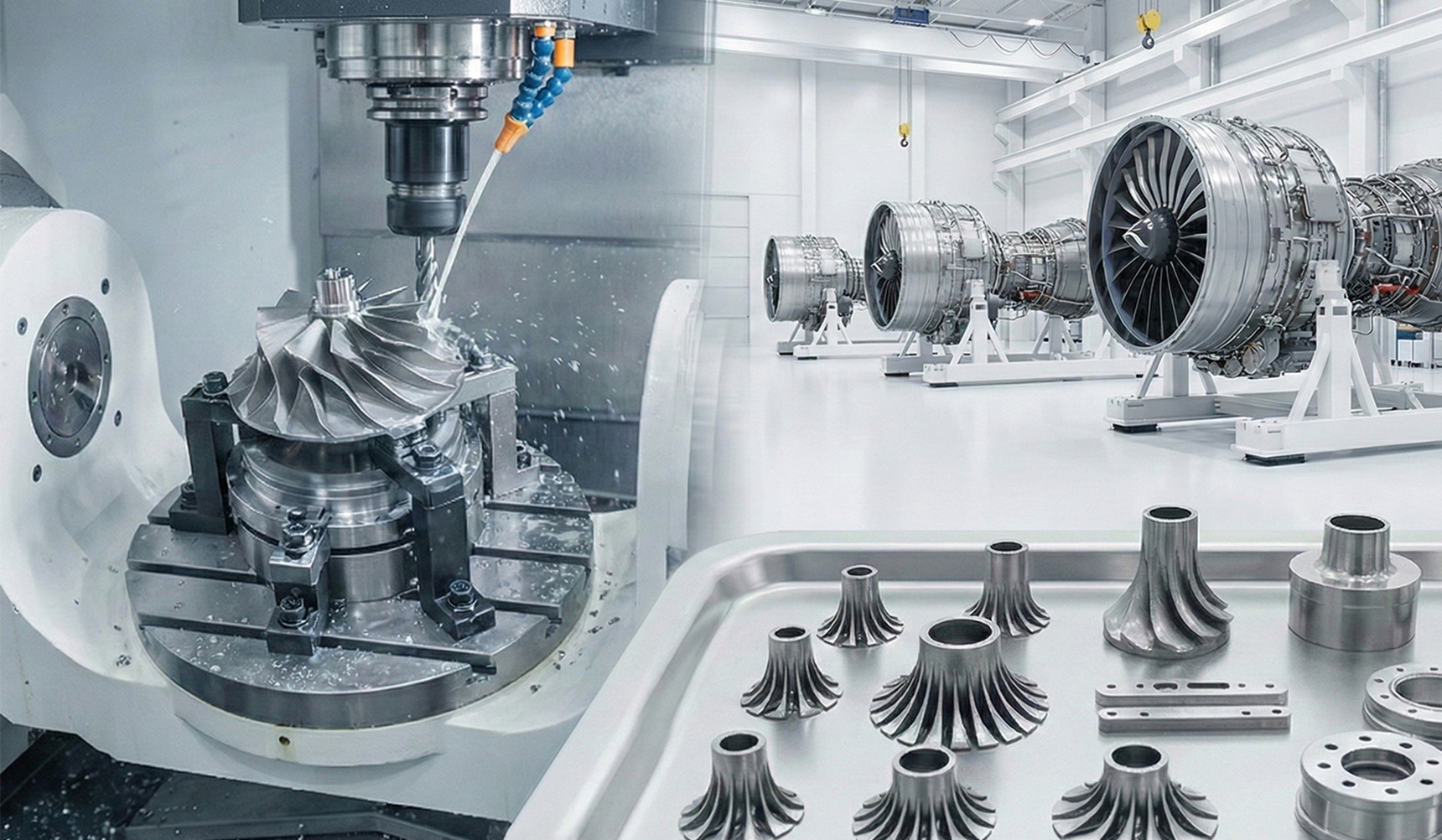

Our Advantages

We maintain aerospace-grade CNC machining capabilities, precisely controlling dimensional tolerances, geometric accuracy, and surface quality to ensure high reliability and long-term stability of components.

From R&D prototyping to mass production, we maintain consistent machining quality to reduce the risk of product failure.

We machine 6061, 7075, aluminum-lithium alloys, Inconel 718, Ti-6Al-4V (Grade 5), PEEK, POM, carbon fiber (CFRP), etc., complying with aerospace safety standards.

We provide tailored machining strategies and recommendations based on aerospace component design requirements.

Every component undergoes rigorous testing to ensure compliance with aerospace component standards and customer requirements.
Aerospace Industry Application Examples
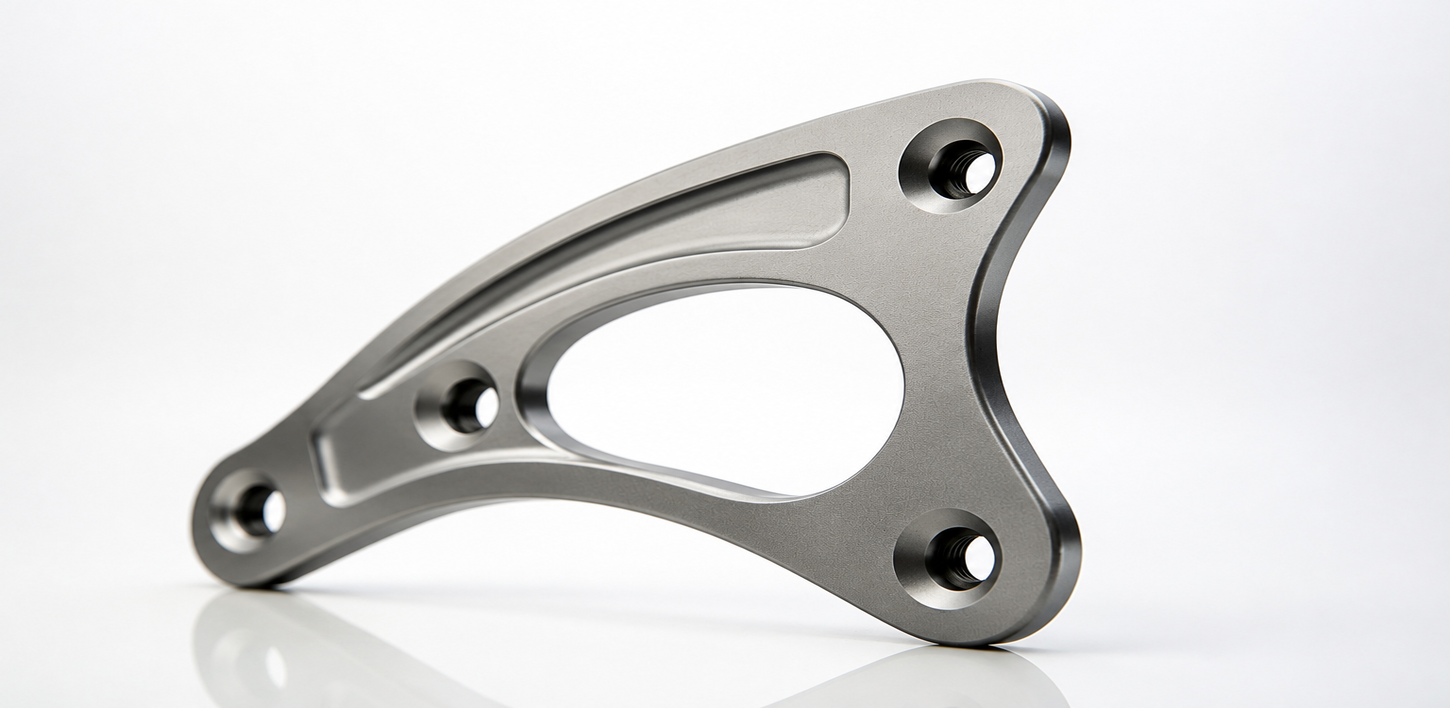
The aerospace industry has strict requirements for "extreme lightweight" and "ultra-high strength" of components. Such parts are usually milled and formed from a whole block of aviation metal material through high-precision CNC milling.
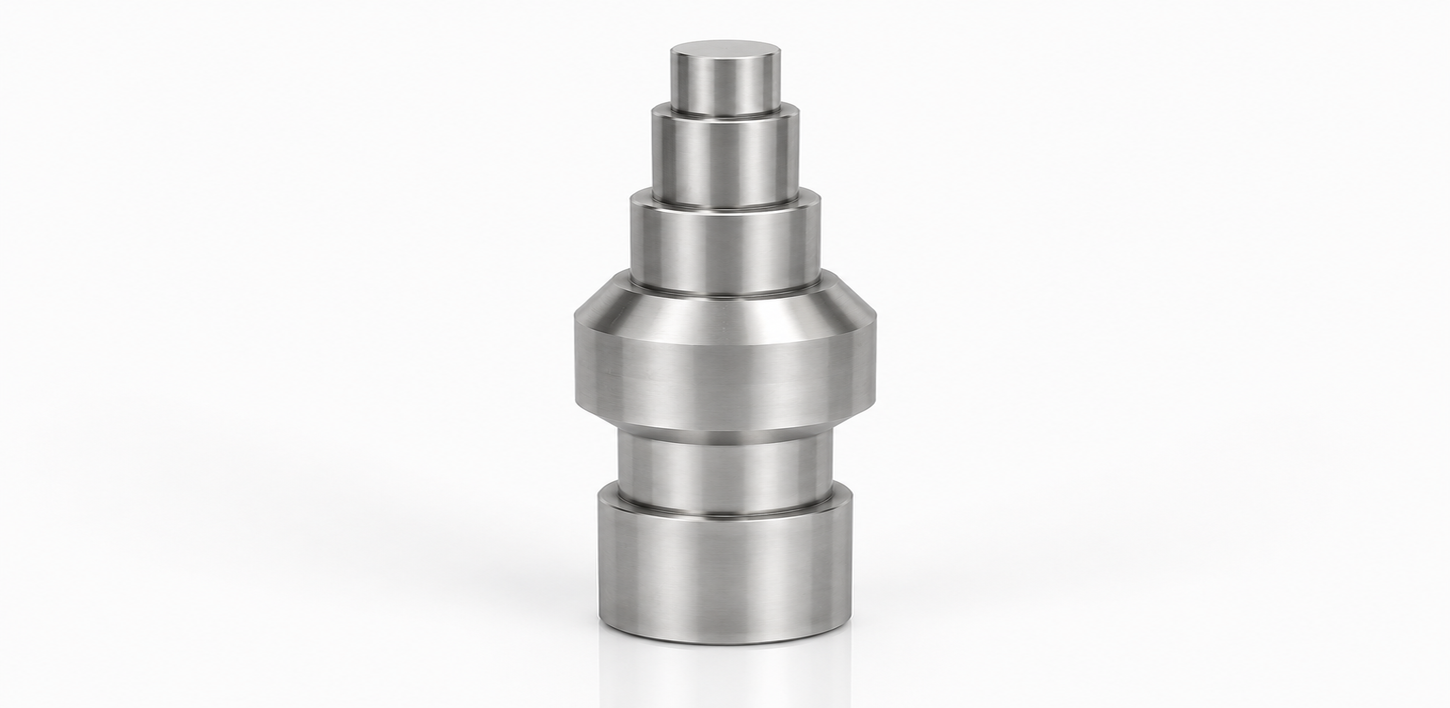
Responsible for precisely transmitting hydraulic force or controlling the opening and closing of the brake fluid circuit when the brake pedal is pressed or the electronic braking system (EPB/ABS) is activated.
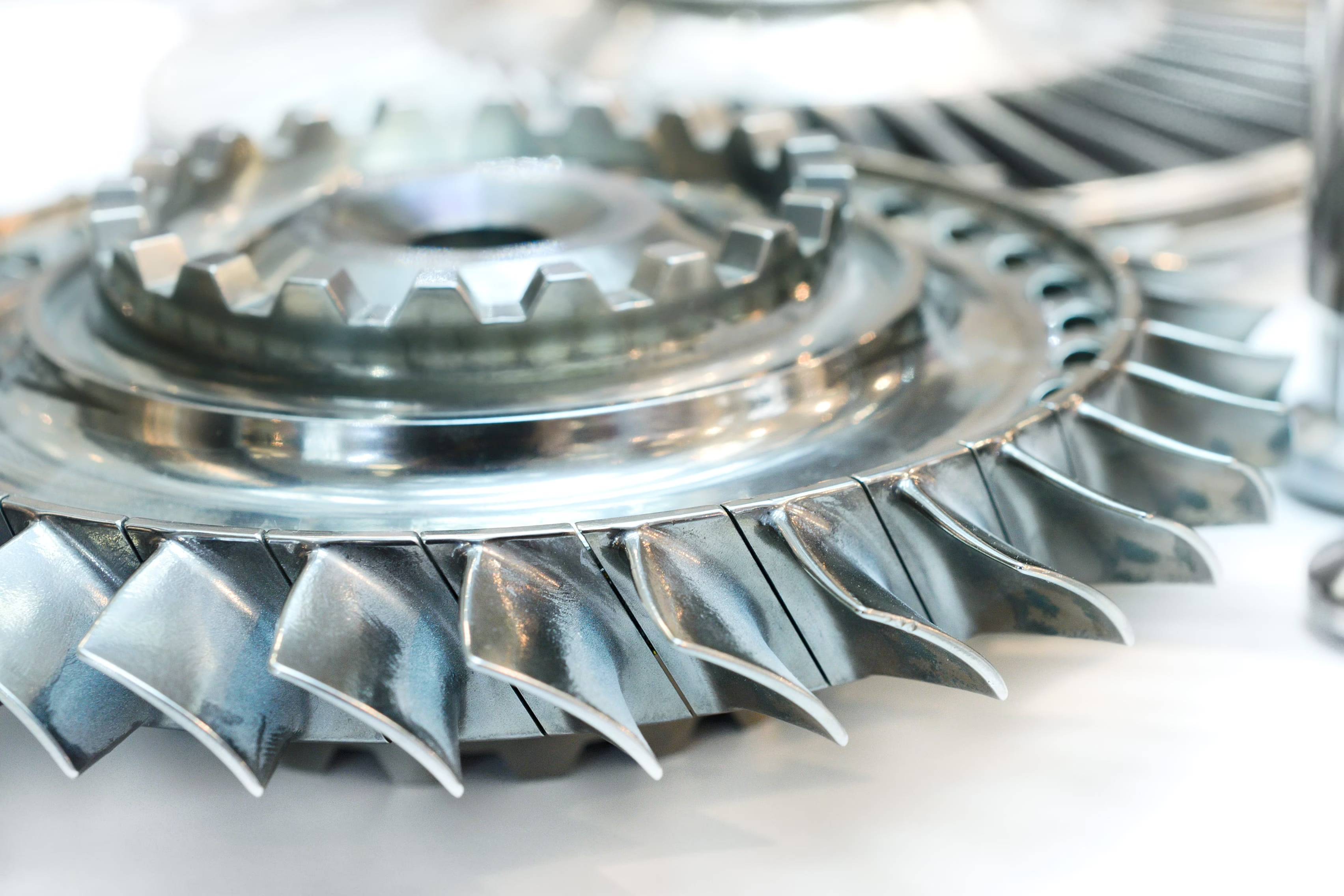
Installed in the compressor stage or turbine stage of an aero-engine, it rotates at high speed with the axis to compress airflow or extract exhaust energy.
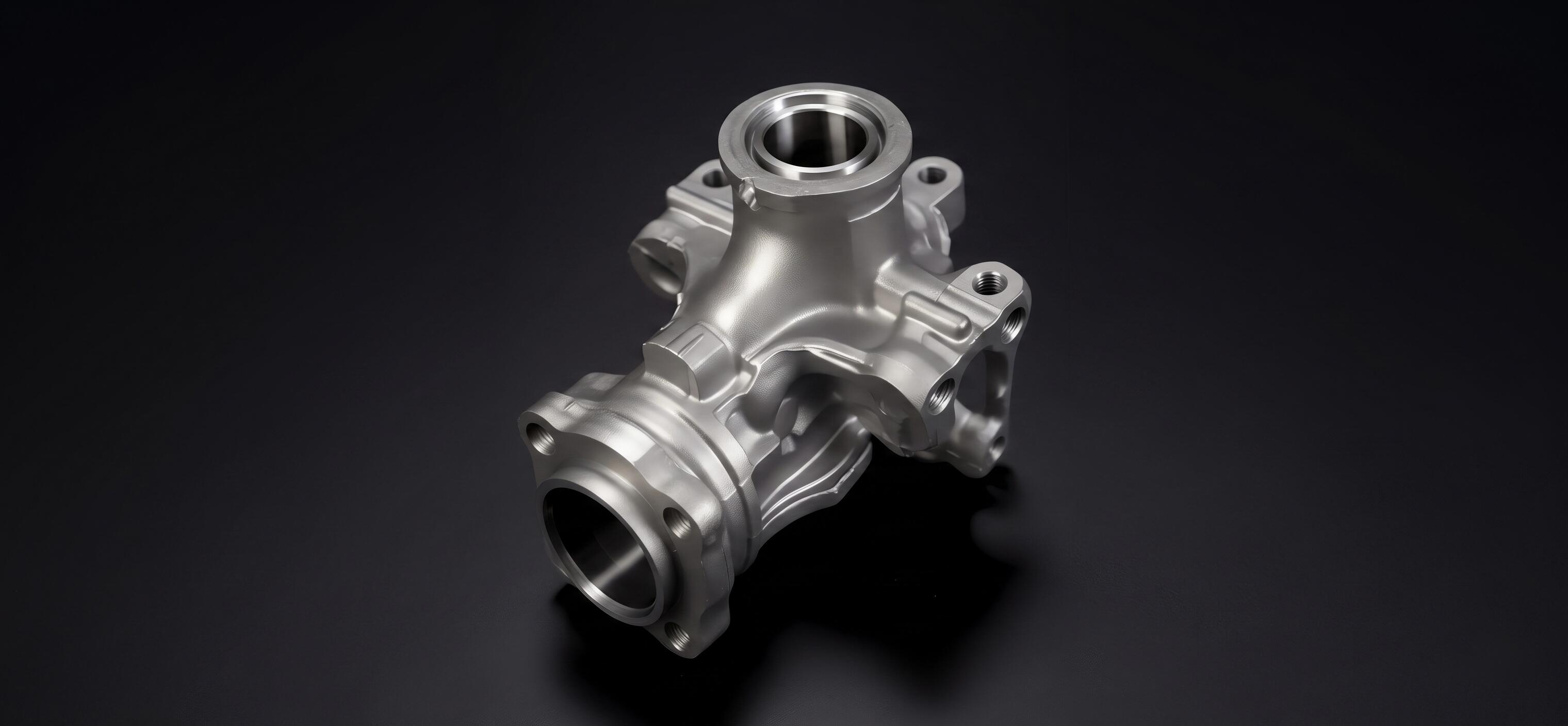
Usually used as the main body of hydraulic oil flow division, fuel injection distribution, oil pump housing, or pneumatic control valve, responsible for stably guiding fluid under extremely high pressure and temperature changes.
