



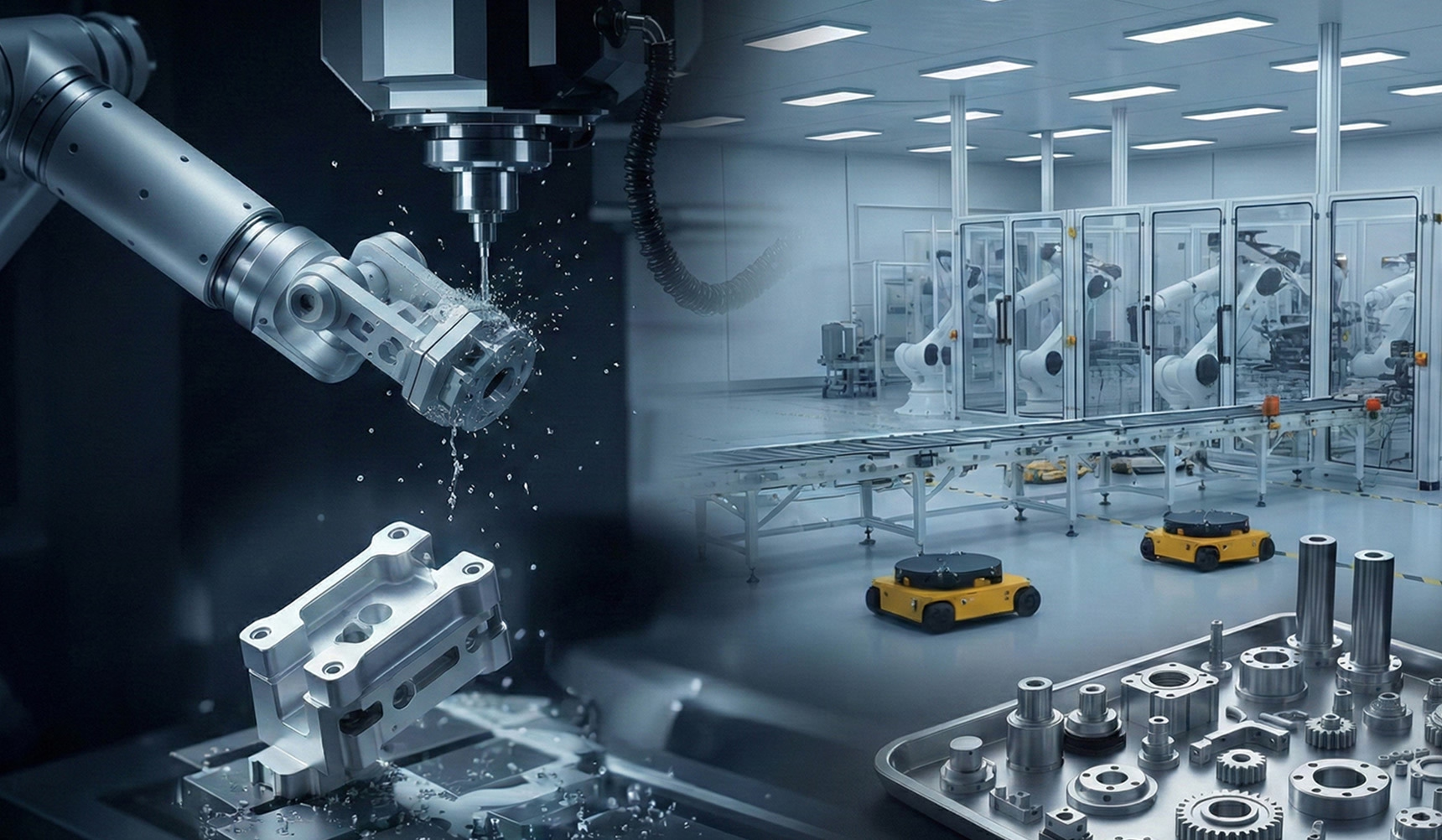
In the field of automation equipment, high-speed operation demands high rigidity, lightweight design, and strict geometric tolerances for components. Leveraging our precision CNC machining experience, MCPi provides high-precision and high-durability machining services specifically for structural components such as robotic arm linkages, grippers, and adapter plates. We implement multi-pass segmented processes to solve the pain points of stress deformation during the cutting of large-area thin-walled parts, controlling flatness and coaxiality at the micron level. Paired with high-speed specialized tools, we completely suppress micro-burrs in plastics like POM and PEEK. Whether for flexible R&D prototyping or mass production, MCPi consistently delivers excellent Cpk quality, making us the most trusted backbone for major equipment manufacturers.
Machining Capabilities

Our Advantages

Micron-level for drives, high-precision for fixtures, and standard tolerances for frames.

From R&D prototyping to mass production, we maintain consistent machining quality, reducing the risk of product failure.

Support for 6061, 7075, Aluminum-Lithium alloys, Inconel 718, Ti-6Al-4V (Grade 5), PEEK, POM, Carbon Fiber (CFRP), etc., complying with aerospace safety standards.

Based on the design requirements of automation equipment parts, we provide exclusive machining strategies and recommendations.

Every part undergoes strict inspection to ensure compliance with automation equipment part standards and customer requirements.
Automation Equipment Industry ApplicationExamples
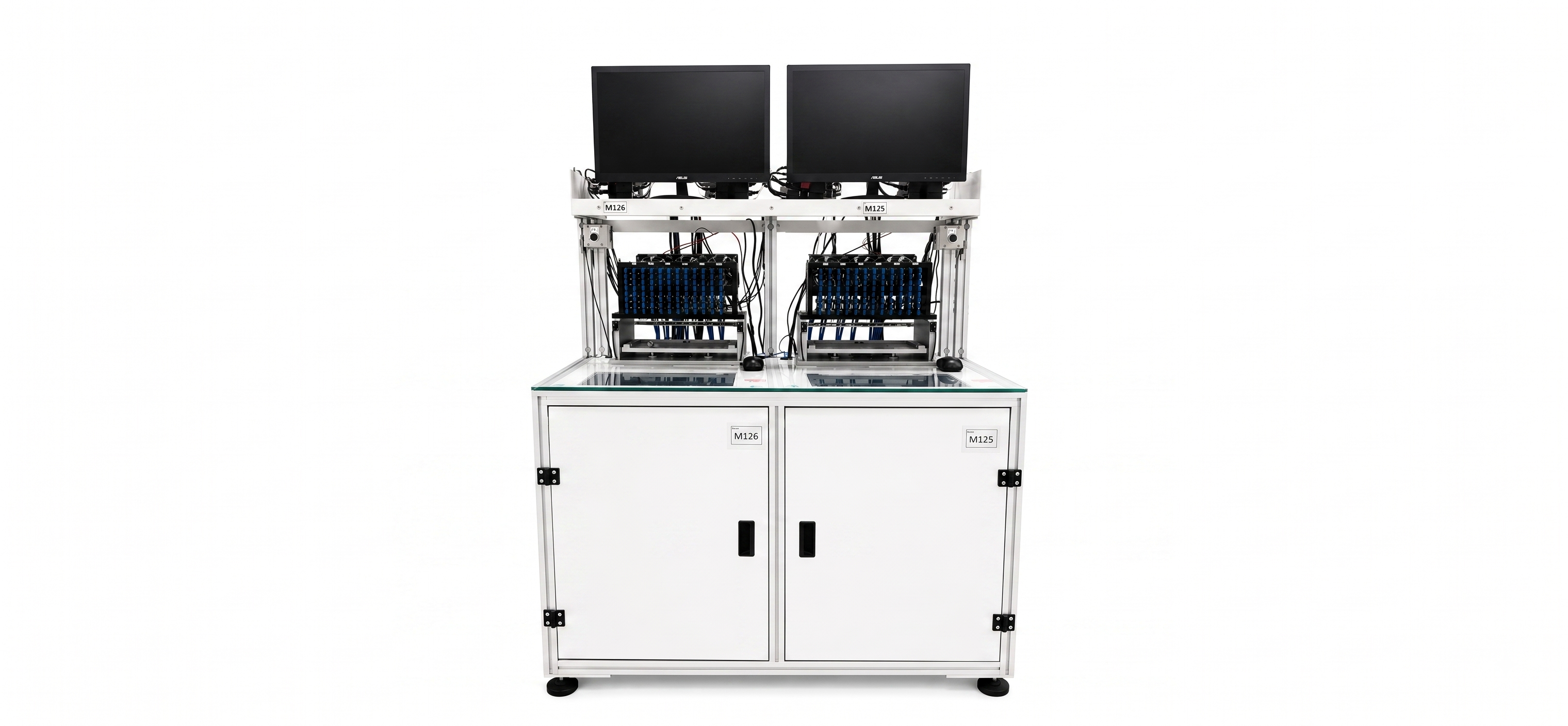
After the IC packaging is completed, the automated test equipment performs the final pre-shipment inspection. After testing, it classifies and collects the products based on good and defective parts (Bin 1, Bin 2, Bin 3...).
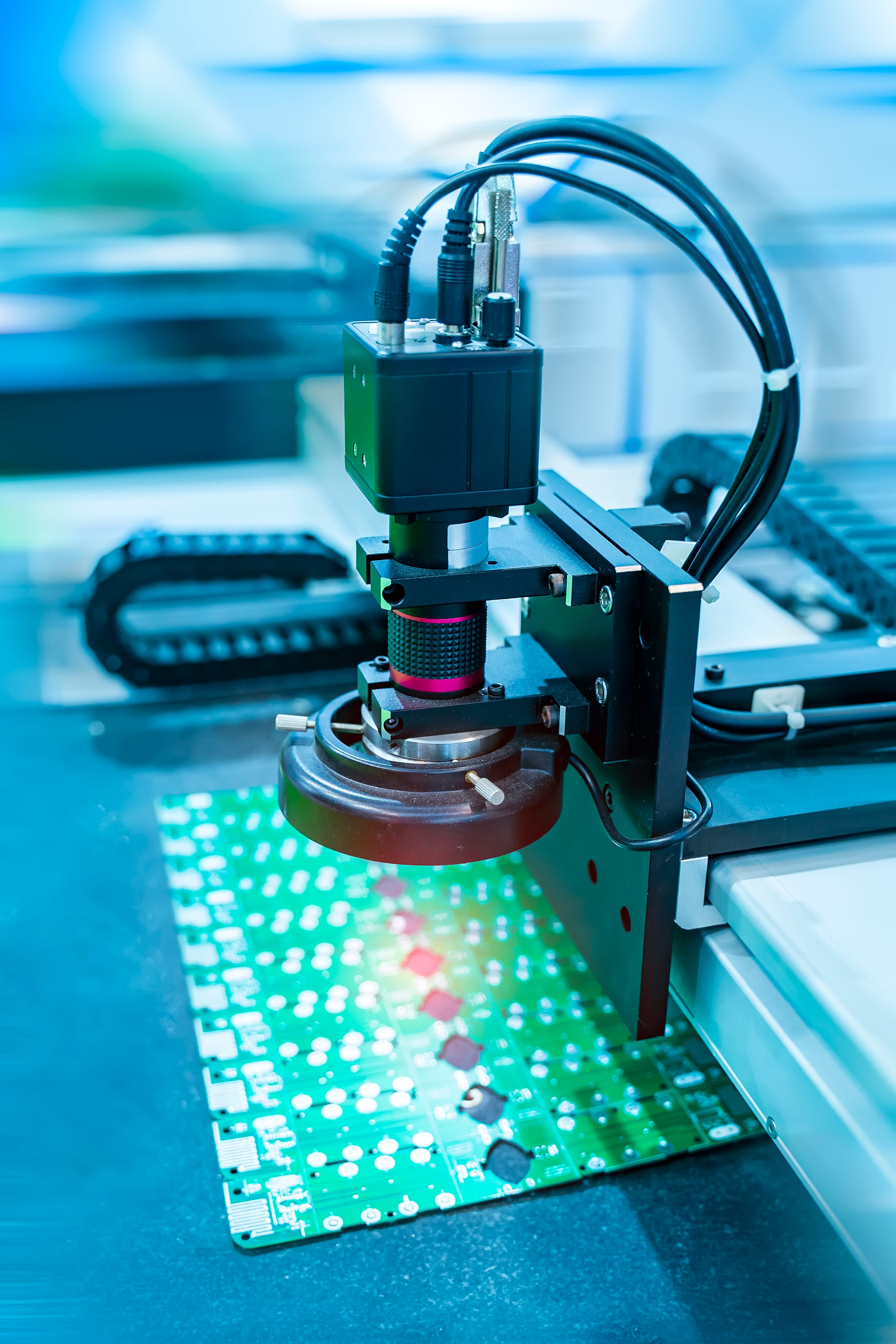
Recognizes QR Codes or characters (Serial Number) printed on the PCB, and uploads the inspection results (Pass/Fail) and data to the MES system (Manufacturing Execution System), achieving complete product traceability.
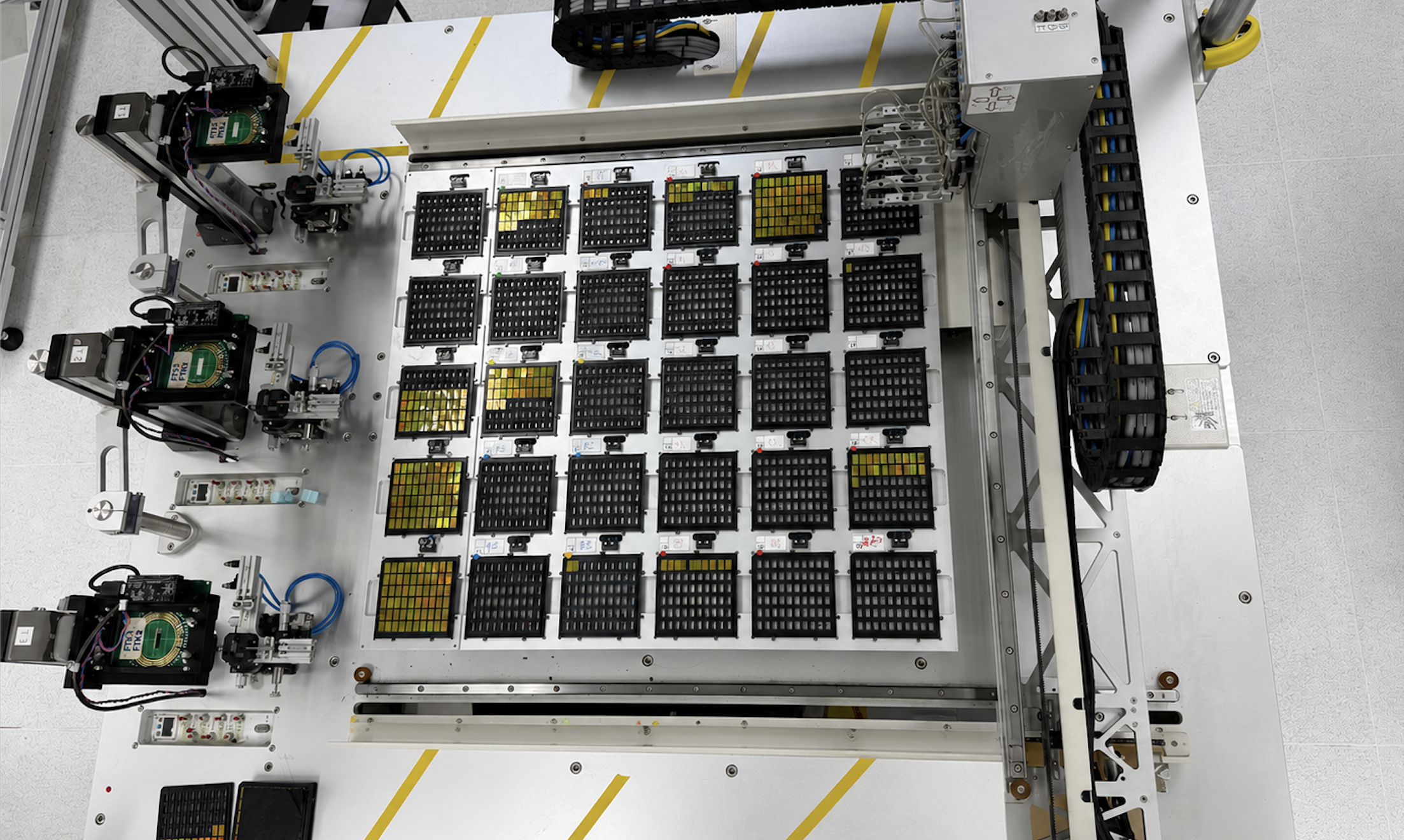
The multi-site design enables parallel testing, significantly shortening the testing and handling cycle time for individual chips.
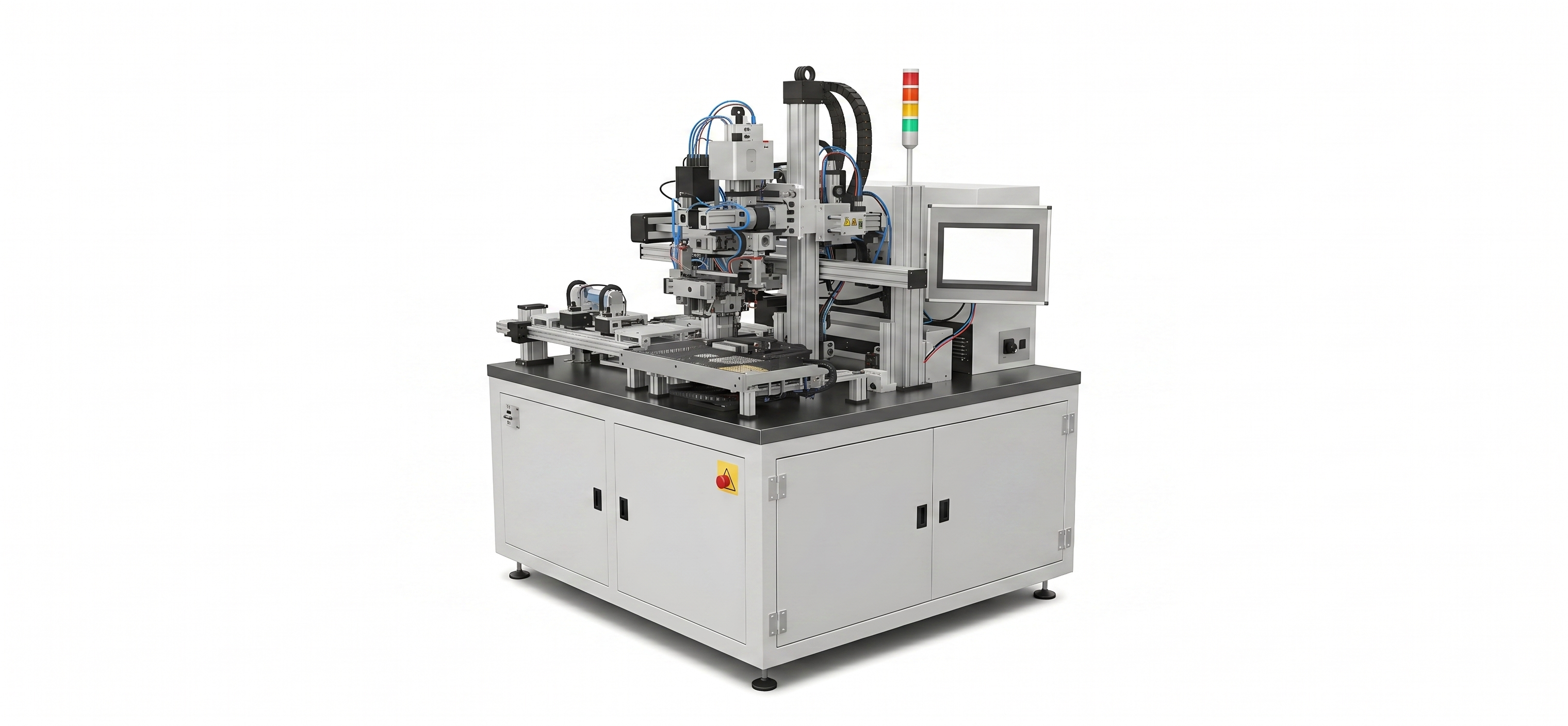
The machine integrates multi-axis servo/pneumatic mechanisms, a vision alignment system, conveyor tracks, and a human-machine interface (HMI). It is primarily used for high-precision automated assembly and press-fit processes of electronic components, precision mechanical parts, connectors, or medical parts.
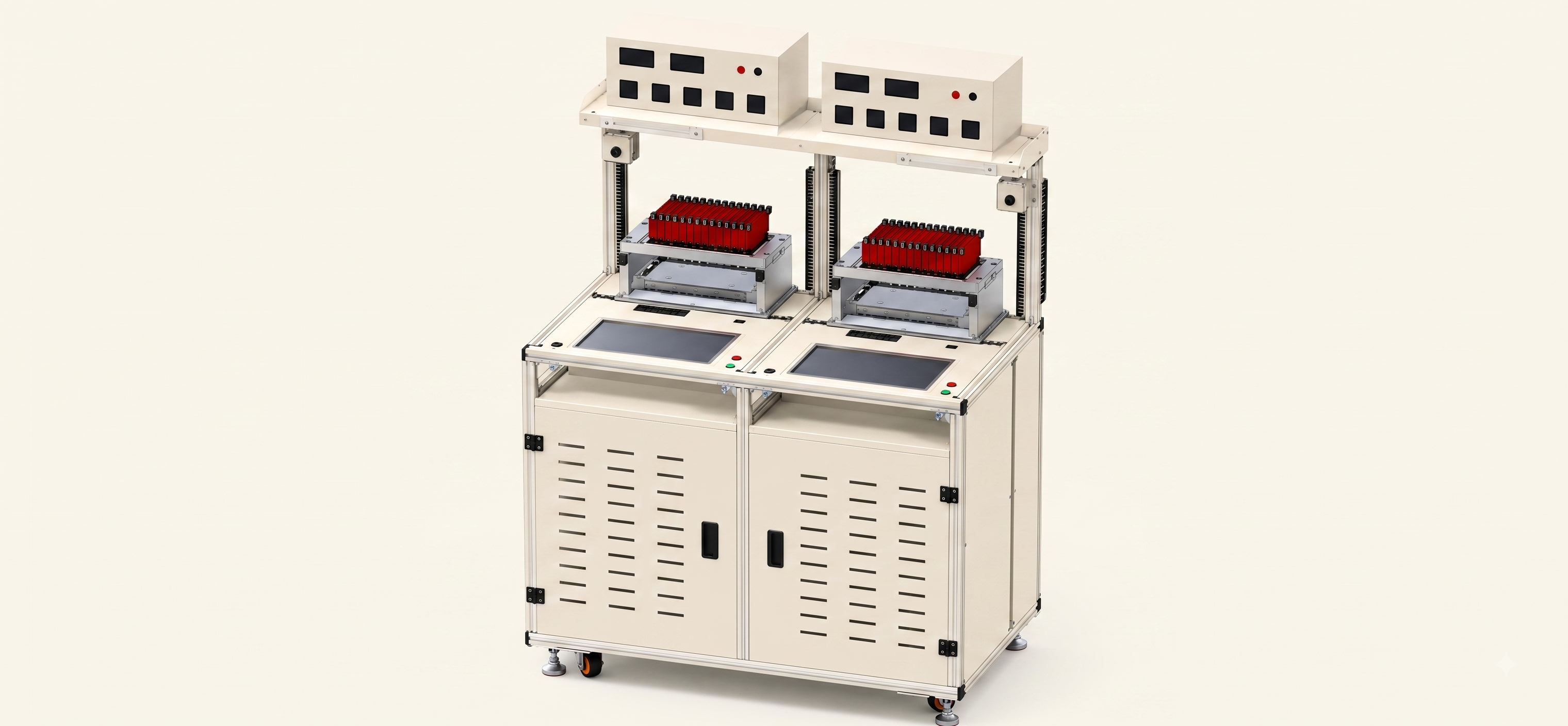
Used for flash memory, storage modules, or electronic control boards/modules with firmware, performing high-volume firmware programming, functional verification, and pre-heating/burn-in testing before shipment or assembly.
