



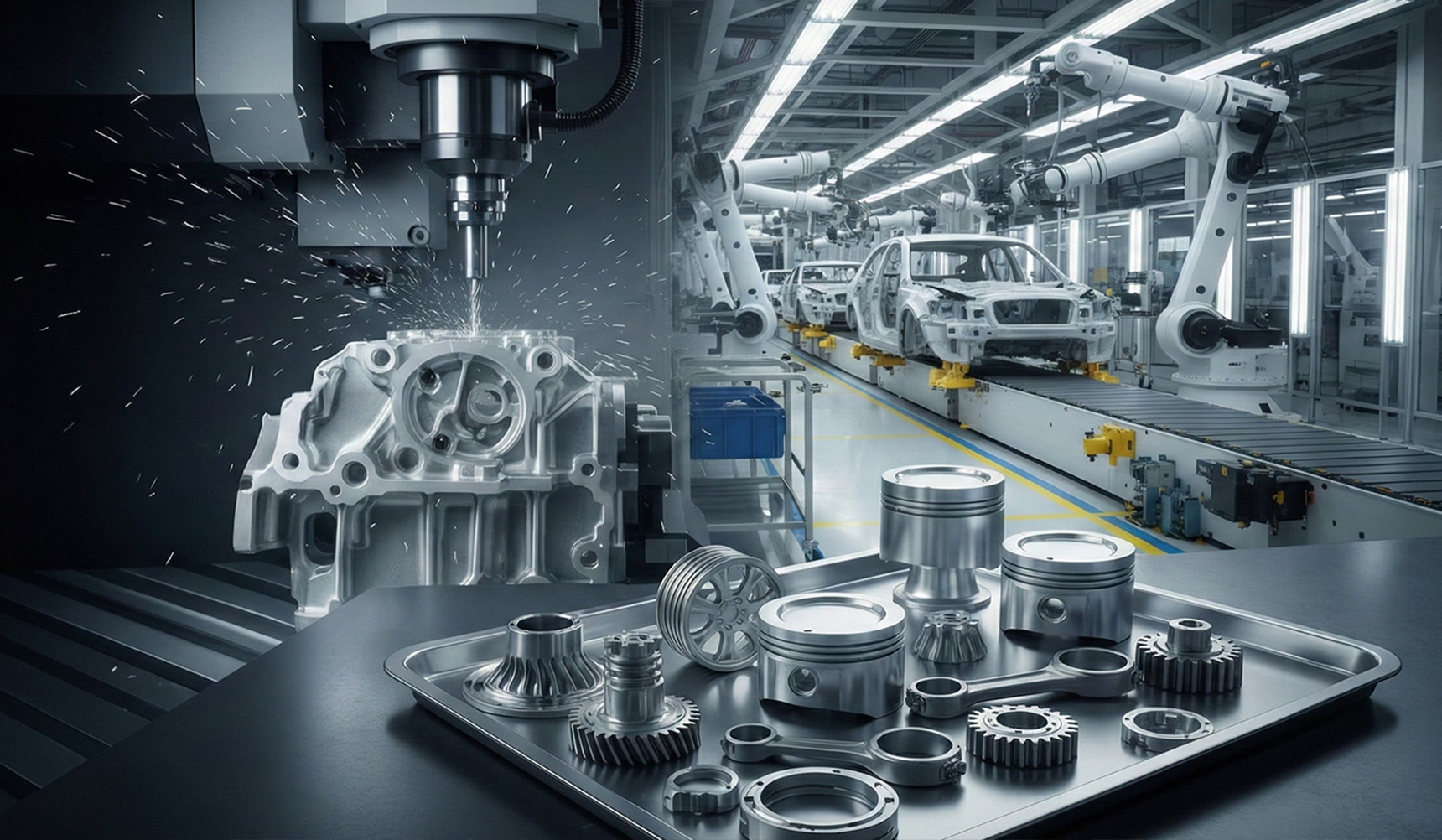
In the automotive industry, component manufacturing has uncompromising and stringent requirements for structural strength, dimensional accuracy, and reliability under extreme environments. With years of deep experience in the field of precision CNC machining, MCPi has become a trusted manufacturer of high-end automotive parts in the industry.
We deeply understand the pain points of automotive customers regarding "mass production stability" and "global automotive-grade quality consistency". Specifically targeting the trends of lightweighting and complex structures in modern vehicles, we provide high-precision, high-durability key component machining services, making us your most reliable technical partner in moving towards the next-generation vehicle supply chain.
Machining Capabilities

Our Advantages

Auto parts: micron-level for powertrain, high-precision for chassis, standard for structures.

From R&D prototyping to mass production, we maintain consistent machining quality and reduce the risk of product failure.

Supports 6061, 7075, ADC12, SCM440, SUS304, SUS316, C3604, etc., complying with automotive safety standards.

We provide tailored machining strategies and recommendations based on the design requirements of automotive parts.

Every part undergoes strict inspection to ensure compliance with automotive part standards and customer requirements.
Automotive and Motorcycle Application Examples
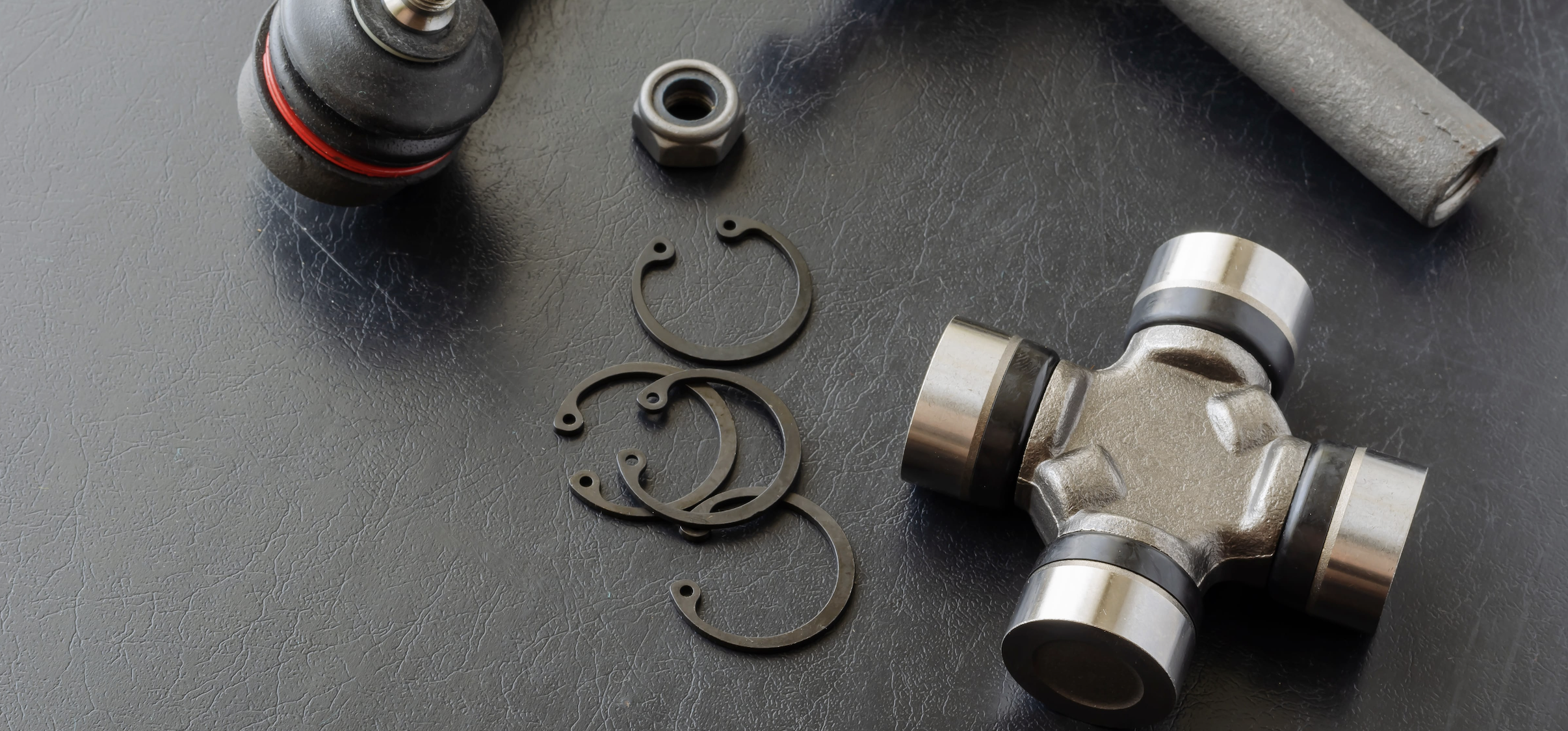
Cross shafts and tie rod bodies are usually made of medium carbon alloy steel, and after hot die forging, carburizing/quenching high-frequency heat treatment is performed to ensure high surface hardness and wear resistance, while maintaining high internal toughness.
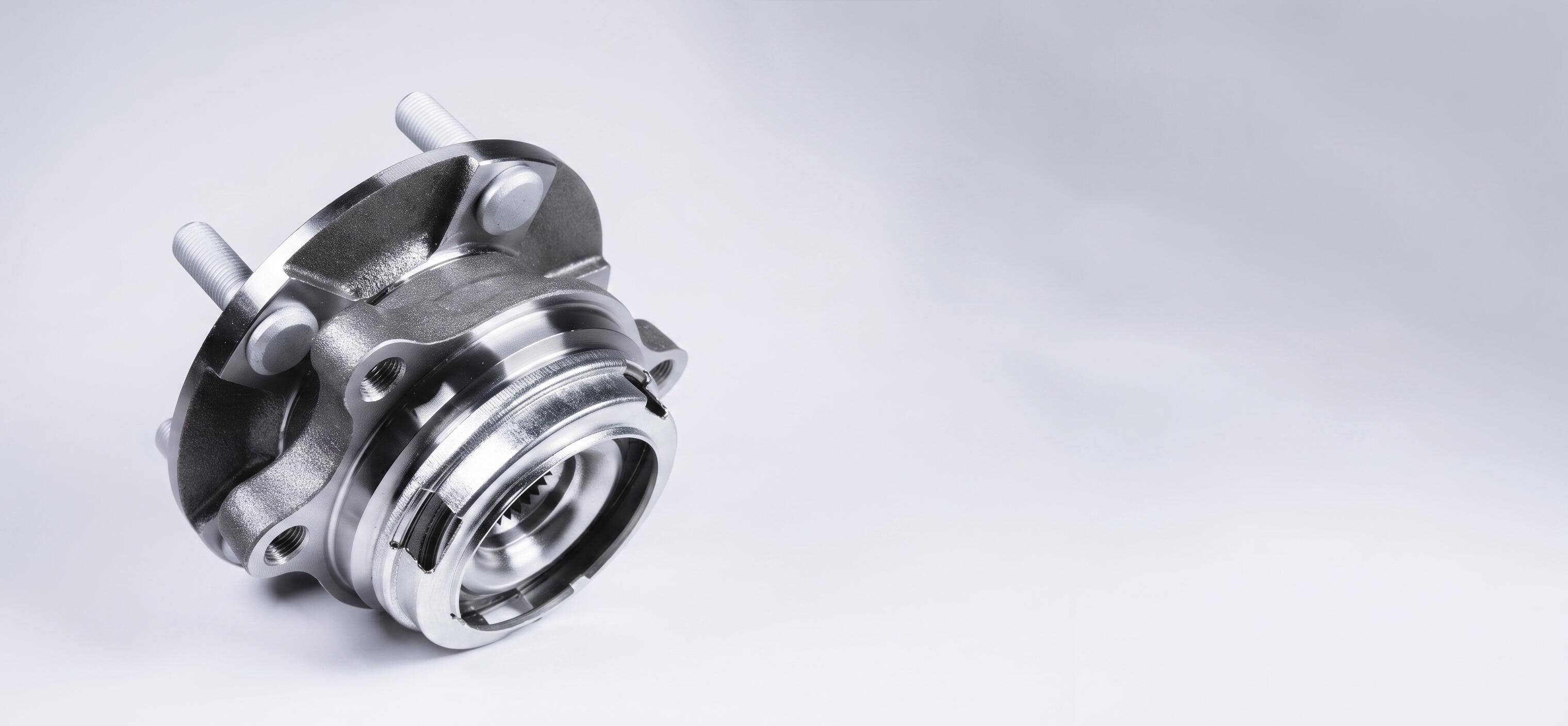
Under extremely low friction resistance, it stably supports the weight of the entire vehicle and ensures smoothness and quietness when the wheels rotate at high speed.
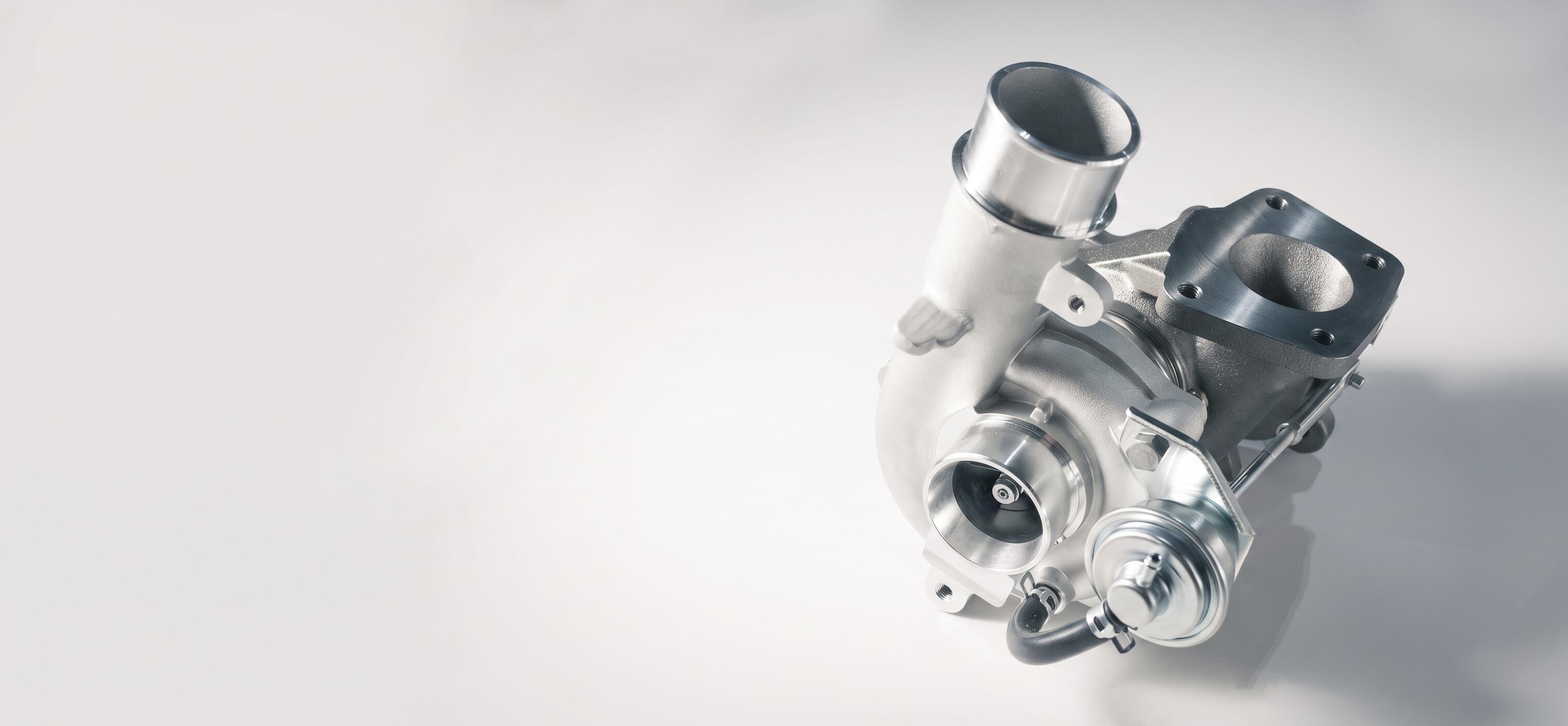
It uses the exhaust gas energy emitted by the engine to drive the turbine, thereby compressing air and sending it into the cylinder to increase the engine's intake air volume and combustion efficiency, delivering more power from a smaller engine.
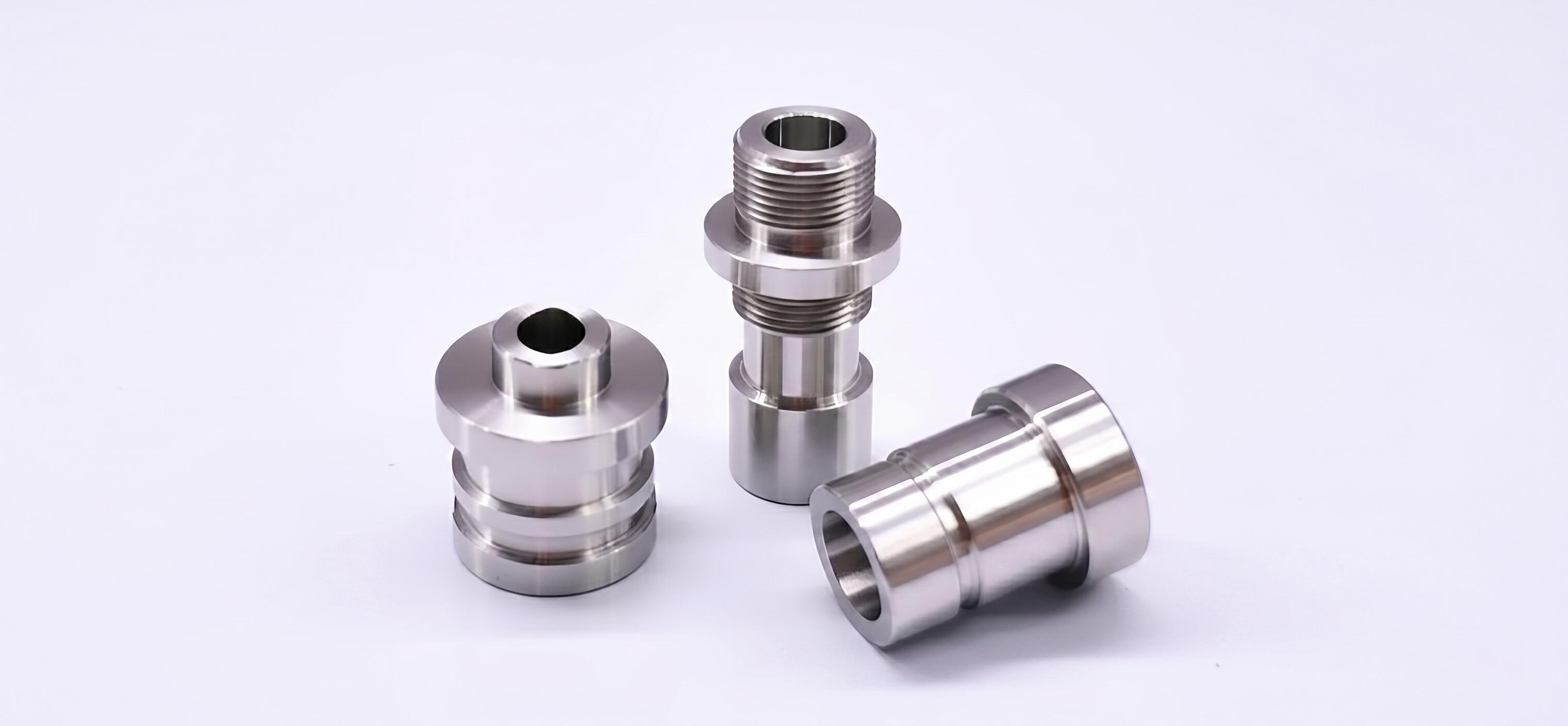
In an engine's valve train, the valves control cylinder intake and exhaust. If the valve or its surrounding components are worn or have carbon deposits, it will directly affect the horsepower, fuel consumption and life of the engine.
